Forage Baler Machine vs Traditional Manual Baling: Which One Saves More Costs?
Forage Baler Machine is becoming an essential solution for modern farms that want to reduce labor costs, improve forage storage efficiency, and minimize feed waste. Compared with traditional manual baling methods, an automatic forage baler can complete the processes of collecting, compressing, baling, and wrapping forage materials more efficiently, helping farmers achieve higher productivity and better economic returns.
For livestock farms that process large quantities of grass, hay, straw, or silage, choosing the right baling method directly affects production costs and feed quality. So, between a Forage Baler Machine and traditional manual baling, which option can save more costs?
Traditional Manual Baling Requires More Labor and Time
Traditional forage baling methods usually depend on manual collection, bundling, and storage. Although this method requires less initial investment, it brings higher long-term operating costs.
During harvest seasons, large amounts of forage need to be processed quickly. Manual baling requires many workers to collect and package materials, which increases labor expenses and reduces overall farm efficiency. In addition, the speed of manual operation is greatly affected by weather conditions and available manpower.
For large-scale farms, relying on traditional baling methods may lead to delayed processing, increased labor pressure, and higher production costs.
Forage Baler Machine Reduces Labor Expenses
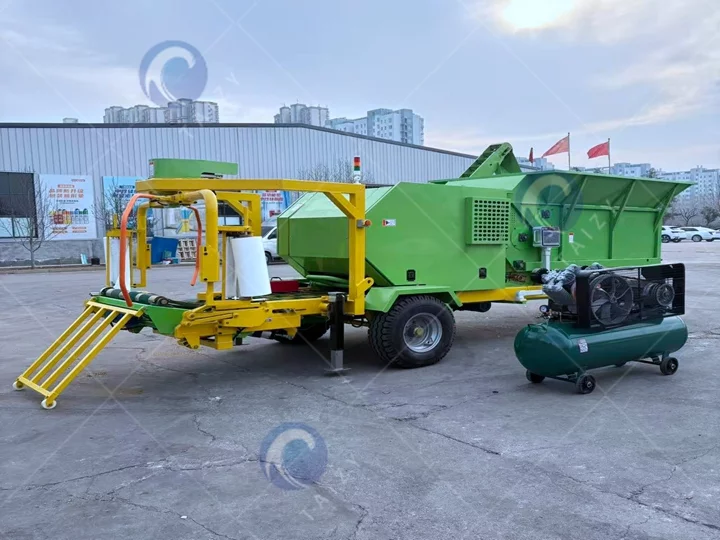
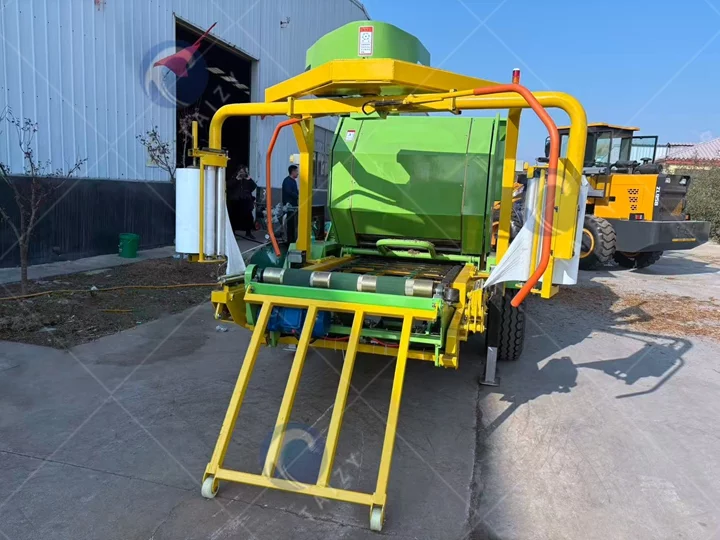
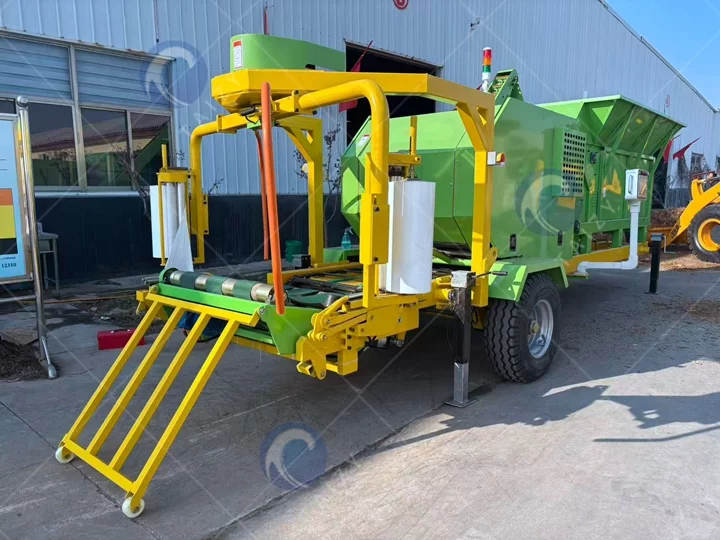
A Forage Baler Machine integrates multiple functions into one unit, including forage collection, compression, baling, and wrapping. With an automated working process, farmers can produce high-density round bales with less manual assistance.
The silage baler wrapper machine can continuously process materials such as fresh grass, hay, straw, and corn stalks, significantly improving working efficiency. Compared with traditional manual baling, one operator can manage the machine operation, reducing the need for additional workers.
By saving labor costs and increasing daily output, the Forage Baler Machine provides a more economical choice for farms that require regular forage processing.
Better Silage Quality Helps Reduce Feed Loss
Cost savings are not only about reducing labor expenses but also about improving feed utilization. Poorly stored forage can easily lose nutrients due to moisture, air exposure, and mold growth.
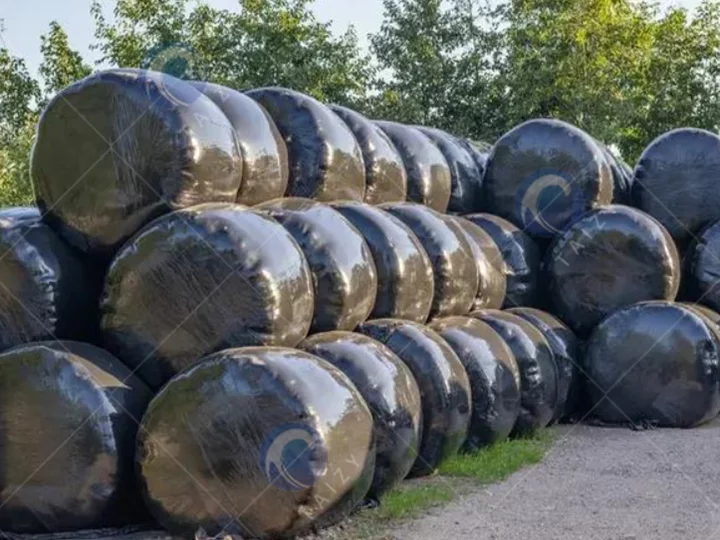
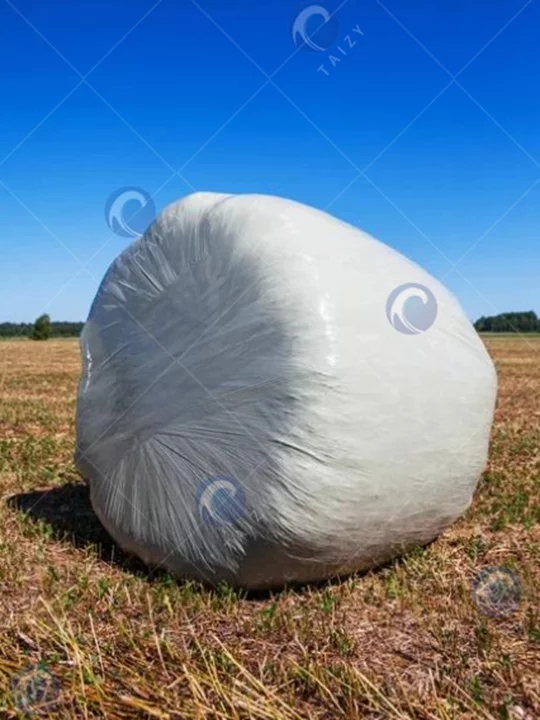
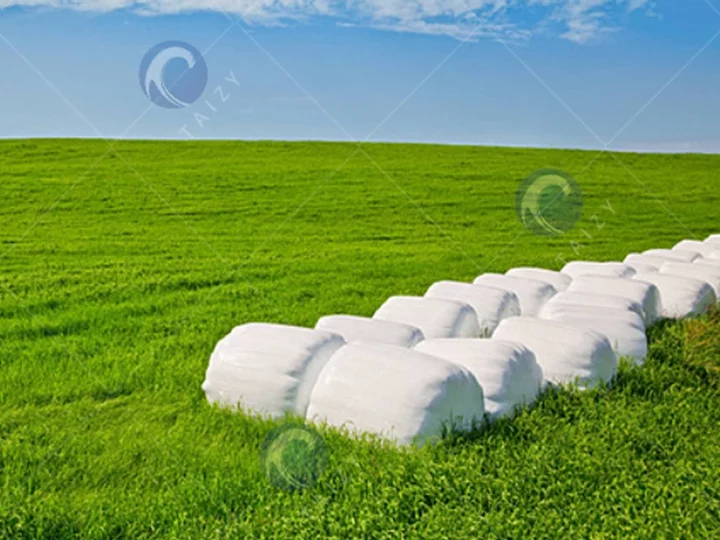
A Forage Baler Machine compresses forage tightly and wraps the bale with plastic film, creating a sealed environment for better fermentation and long-term storage. The wrapped silage bales maintain higher feed quality and reduce losses caused by spoilage.
For dairy farms, cattle farms, and livestock producers, reducing feed waste means lowering daily feeding costs and improving profitability.
Higher Efficiency During Busy Farming Seasons
The harvest season is often a race against time. Fresh grass and forage need to be processed quickly to maintain nutritional value.
Traditional manual baling is limited by working speed, while a Forage Baler Machine can complete baling and wrapping operations continuously. The equipment produces uniform round bales with consistent size and density, making transportation and storage easier.
For farmers managing large fields or commercial livestock farms, higher efficiency means more forage can be processed within a shorter period, reducing the risk of material loss.
Long-Term Benefits of Investing in a Forage Baler Machine
Although a Forage Baler Machine requires an initial investment, its long-term benefits make it a cost-effective choice. Lower labor requirements, reduced feed waste, improved storage conditions, and higher production capacity all contribute to better farm profitability.
In addition, compact silage bales are easier to transport and manage, allowing farmers to optimize storage space and improve feed management.
For farms that frequently process forage materials, investing in an automatic baler wrapper is not just an equipment upgrade but a long-term strategy for reducing operating costs.
Choose Forage Baler Machine for More Profitable Farming
When comparing Forage Baler Machine vs Traditional Manual Baling, the automatic solution offers clear advantages in efficiency, labor savings, and feed preservation. While manual baling may seem cheaper at first, the hidden costs of labor, time, and feed loss can significantly affect farm profits.
With reliable performance and multiple material applications, a Forage Baler Machine is an ideal choice for processing grass, hay, straw, and silage. It helps farmers improve productivity, reduce expenses, and build a more efficient and profitable livestock farming operation.